Alcohol treatment programs Virginia
Alcohol treatment programs in Virginia range from medical detox to weekly outpatient counseling. Statewide, 247 facilities appear in SAMHSA FindTreatment.gov listings at five levels of care. This guide explains each level before you call anyone.
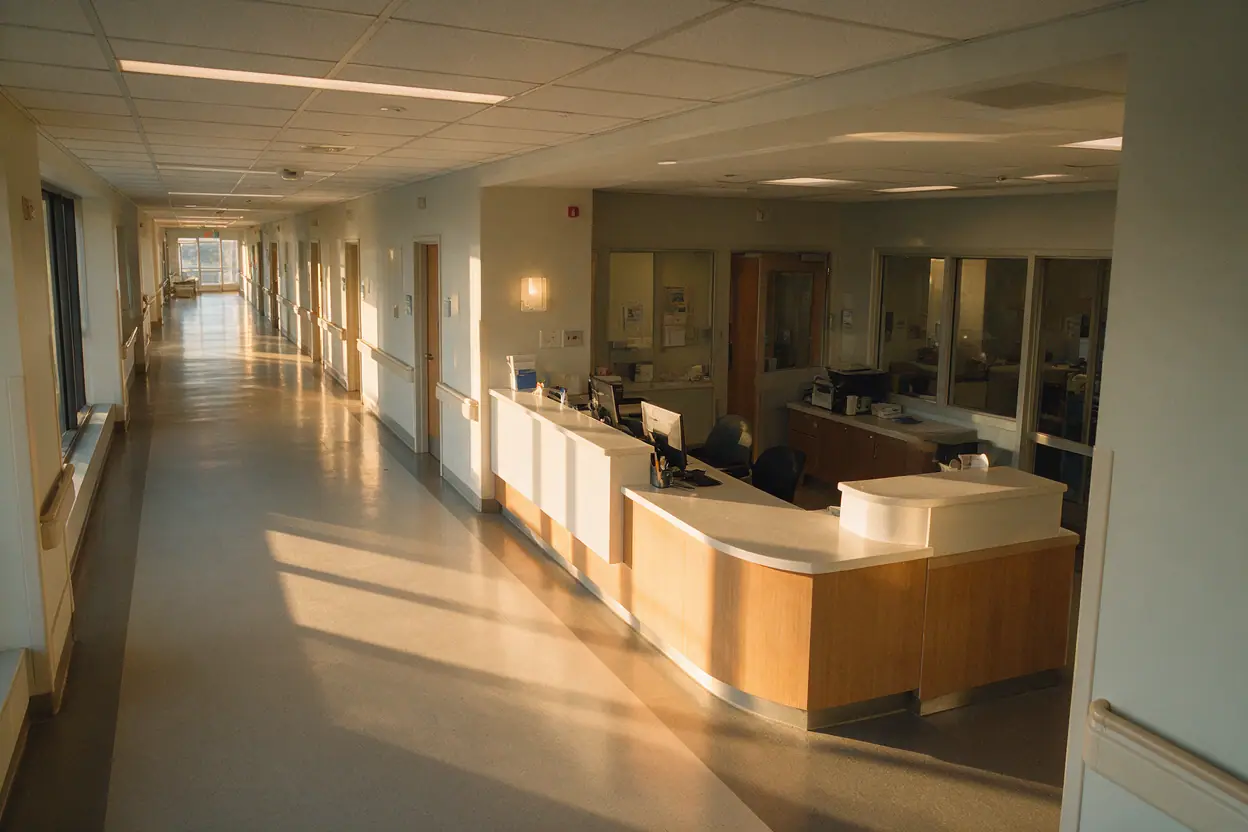
That initial intake call tends to open with one question: what sort of assistance does this individual genuinely require? The reply hinges less on willpower than on how much structure both body and daily life demand. Someone who drinks heavily each day might need medical oversight while withdrawing, whereas a person with stable housing and an early-stage concern could do fine with a few weekly counseling hours. Most people shift among levels as time passes, up and down, and that is normal.
Across Virginia, alcohol and rehab treatment programs statewide total 247 SAMHSA-listed facilities, and that figure spans every level from hospital detox to evening groups. Calling a program listed means it shows up in the federal directory; it does not mean this site endorses or inspects it. Those lists shift as programs open, close, or revise intake details, so verify specifics directly with the program before depending on them.

Alcohol treatment programs Virginia
Virginia alcohol treatment programs often start with medical detox at 50 facilities, where registered nurses watch withdrawal constantly and the person stays overnight on site. Detox typically takes days, not weeks. Alcohol withdrawal detox services appear at 50 Virginia facilities because stopping alcohol can be dangerous without a clinician overseeing it. This level fits someone facing severe withdrawal symptoms like tremors, sweats, or seizures when they quit drinking. Inpatient and residential rehab is listed at 44 Virginia facilities, where the person lives on site for weeks and attends programming most of the day. Partial hospitalization is listed at 46 Virginia facilities, runs about five days a week for several hours, but lets the person sleep at home. Intensive outpatient is listed at 100 Virginia facilities, usually three to five sessions a week around work or school. Plain outpatient is listed at 211 Virginia facilities, the least intensive: one or two visits a week while living at home. Inpatient rehab suits people with unstable housing or a home where drinking continues, while outpatient rehab in Virginia suits people with stable housing and early-stage concerns. Intensive outpatient rehab Virginia programs offer three to five sessions weekly for people who need more than standard outpatient but cannot leave home. Residential rehab Virginia programs provide 24-hour structure for those who need distance from a drinking environment.
| Care level | Locations | Medicaid | Coverage |
|---|---|---|---|
| Detox programs | 50 | 39 | 49 |
| Inpatient and residential rehab | 44 | 36 | 39 |
| Partial hospitalization (PHP) | 46 | 35 | 45 |
| Intensive outpatient (IOP) | 100 | 85 | 96 |
| Standard outpatient care | 211 | 188 | 197 |

Picking a program
Start with the withdrawal question
When someone drinks every day and has experienced tremors, sweating, or seizures upon stopping, a clinician should be involved before counseling starts. Ask any program whether detox is offered there or handled through a partner provider. That is a question about safety, not a pledge to enroll.
Match hours to real life
If someone works or cares for family, then evening intensive outpatient or standard outpatient may fit better than residential care. Ask how many hours per week each level requires and where sessions are held. A program that fits the schedule is more likely to be finished.
Check payment before visiting
Virginia Medicaid is accepted at 220 listed facilities, private insurance at 228, and 79 list sliding-scale fees. If cost is the barrier, then ask about those options first. Calling the free helpline can screen payment options without obligation.
Ask about medication and follow-up
Some programs offer medication for alcohol use disorder and some do not. If a clinician has recommended medication, then confirm the program provides it or coordinates with a prescriber. Also ask what happens after discharge, since continuing care lowers the chance of returning to heavy drinking.

Need answers
What is the prevalence of alcohol use in Virginia?
This guide does not publish a state prevalence figure, and you should treat any precise number you see online with caution unless it comes from a named state or federal survey. What is known is that alcohol is the most commonly treated substance in Virginia's public system. The important point for a family is local: 247 facilities are listed statewide, so help exists in most regions, and the helpline can narrow the list to your area.
Does Medicaid cover alcohol treatment programs in Virginia?
Medicaid can indeed pay for alcohol treatment, and 220 listed Virginia facilities accept it. What is covered hinges on the care level and medical necessity, so residential care may require prior authorization while outpatient frequently does not. If Virginia Medicaid is yours, ask intake staff at the program to confirm benefits before committing. The helpline can also direct you to nearby programs taking Medicaid, at no charge.
How do inpatient and outpatient alcohol rehab differ?
Inpatient or residential rehab involves staying at the facility for weeks with most of the day filled by programming. Outpatient involves living at home and going to sessions, ranging from a few hours each week to several days weekly for intensive outpatient. In Virginia, 44 facilities list residential care and 211 list outpatient, so outpatient is usually the bigger category. When someone's housing is unstable or drinking persists despite counseling, residential care might suit them better.
How do I find free or low-cost alcohol rehab in Virginia?
In the current listings, no Virginia facility reports charging nothing at all, so care that is truly free is uncommon. Even so, 79 facilities list sliding-scale fees, 53 list payment assistance, and 128 accept block grant funding. If cost worries you, ask directly about those three categories, and ask whether the program takes Virginia Medicaid. The 24/7 helpline costs nothing and can help you weigh these options without pressure.
How long does alcohol detox take in Virginia?
Medical detox typically lasts from a few days to a week, though the exact length depends on how much and how long the person has been drinking, along with any health conditions. In Virginia, 50 facilities list detox services for alcohol withdrawal, and most provide 24-hour monitoring because withdrawal can be dangerous without a clinician overseeing it. Detox is a beginning, not a full treatment plan; most people move to residential or outpatient care afterward. The helpline can describe what intake at a detox program involves.
Talk through the options
The trained advisors who answer the helpline are linked with providers licensed by the state. A call costs nothing, keeps your information private, and obligates you to nothing. They can explain each level of care available in Virginia, help you find out if a program accepts your insurance or Medicaid, and describe what the intake process involves. No one guarantees admission or outcomes, and this site does not diagnose or treat any individual. If you have no idea where to start, one short call is a reasonable first move.