Alcohol treatment Virginia
This guide walks through alcohol treatment in Virginia and what every level of care entails before you commit to anything. The state counts 247 SAMHSA-listed facilities, 50 of which offer medical detox. It addresses Medicaid, insurance, staying safe during withdrawal, and what to expect when you call the free helpline.
- facilities shown here
- 247
- provide detox
- 50
- take Medicaid
- 220

Paying for alcohol rehab in Virginia
Most of the listed programs accept payment in multiple forms: 220 take Virginia Medicaid, 228 take private insurance, and 240 take self-pay. Medicare is accepted at 167, TRICARE at 174, and state insurance at 119. For those without coverage, 79 facilities use sliding-scale fees and 53 offer some financial assistance, while 128 receive block grant funding. Virginia expanded Medicaid, so many low-income adults may qualify for coverage that includes substance use treatment.
If your earnings have shifted, it is worth checking Medicaid eligibility before assuming you cannot afford care. Under federal parity rules, most insurance plans have to cover mental health and substance use services on the same footing as medical care, though the details vary by plan. No listing at present reports a program that is entirely free, so ask any program you contact to give you the costs in writing. The helpline can also explain what a particular plan typically covers.
- take Medicaid
- 220
- accept commercial insurance
- 228
- take Medicare
- 167
- provide a sliding scale fee
- 79

Treatment and medications
There is no single service that covers alcohol use disorder; among the listings, 165 facilities provide medications for it. Which medication varies by program: naltrexone, listed at 170 sites, or acamprosate and disulfiram. Counseling and behavioral therapy typically belong to the plan as well. When a person drinks heavily and then quits abruptly, clinician oversight of withdrawal matters because alcohol withdrawal may be dangerous.
The FDA-approved medications are generally used alongside counseling rather than on their own. Ask any program whether it offers medication-assisted treatment and whether a prescriber is on staff. For people with opioid use disorder as well, 186 sites list buprenorphine and 34 list methadone, so care can address more than one substance. The helpline does not provide medical advice but can point you toward programs that offer these services.
- provide alcohol withdrawal care
- 45
- prescribe AUD medication
- 165
- intensive outpatient
- 100
Frequently chosen centers near Virginia
-

MAT Recovery Centers Richmond
Richmond, VA28+ days
- Co-Occurring Mental Health
- Outpatient
- Detox
MAT recovery centers Richmond is an outpatient program in Virginia's capital.
See details -
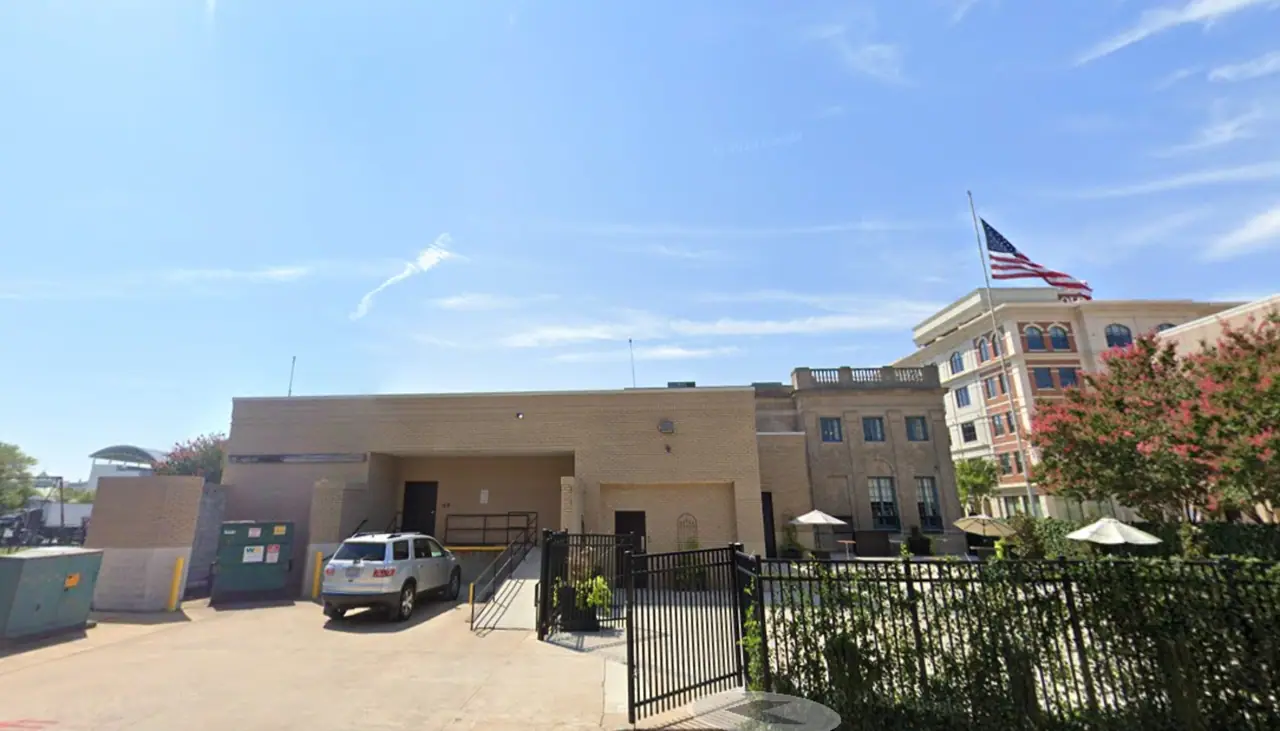
White House Health Systems
Hampton, VA5 days
- Residential Rehab
- Outpatient
White House Health Systems Hampton runs a residential and outpatient program at 2 Eaton St.
See details -
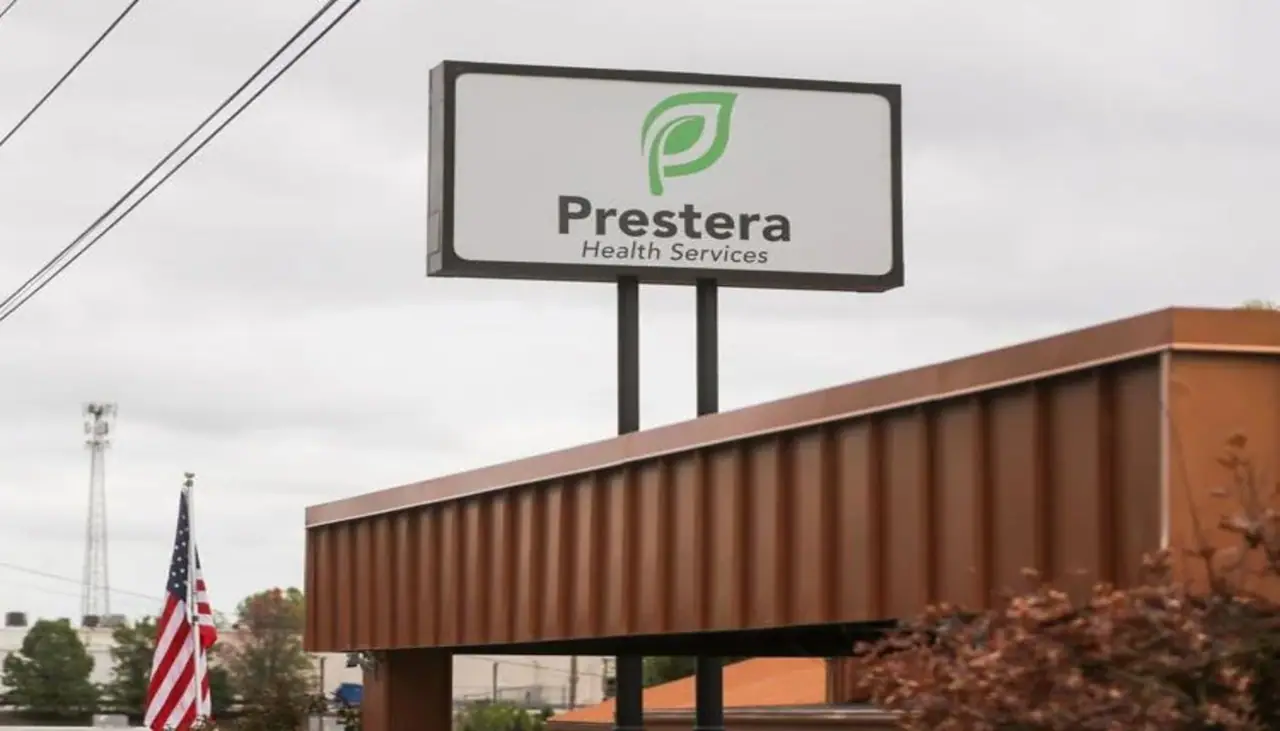
Prestera Health Services Pinecrest
West, VA30 days
- Residential Rehab
- Co-Occurring Mental Health
- Outpatient
Prestera Health Services Pinecrest West offers residential and outpatient care in West, Virginia.
See details -

Embark at Tysons Corner
Vienna, VA30 days
- Joint Commission
- Co-Occurring Mental Health
- Outpatient
Serving teenagers, Embark at Tysons Corner Vienna is an outpatient program.
See details -
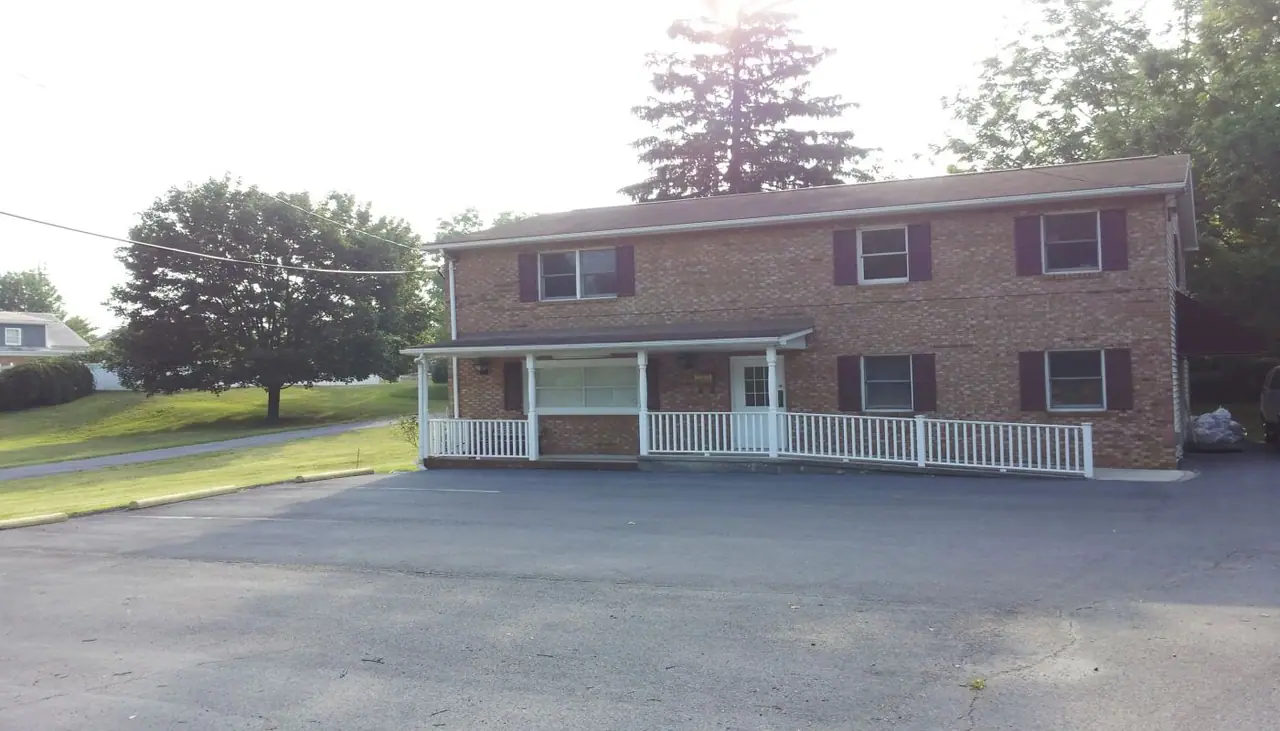
Callahan Counseling Services
West, VA30 days
- Outpatient
Callahan Counseling Services West offers outpatient counseling for substance use and mental health concerns.
See details -

Aware Recovery Care Virginia
Glen Allen, VA30 days
- Joint Commission
- Co-Occurring Mental Health
Aware Recovery Care Virginia Glen Allen treats adults 18 and older through in-home addiction care.
See details

Alcohol treatment levels of care
There are 247 SAMHSA-listed facilities in Virginia, and the right level hinges on the amount of daily support a person requires. Medical detox appears at 50 of them, inpatient or residential rehab at 44, and hospital-based care at 17. Detox covers the opening days, when coming off heavy drinking can turn dangerous and medical staff should supervise it. Following that, some people shift into residential care for structure, and others step down to outpatient.
Outpatient rehab in Virginia is the most common option, with 211 listed locations statewide. Intensive outpatient programs, found at 100 facilities, generally involve several visits each week across a set number of weeks, while partial hospitalization, at 46, falls between inpatient care and IOP. Telehealth appears at 207 sites, a help to people in rural parts of the state. If you are unsure which level fits, then a phone assessment can clarify the options before you call a program directly.
Finding rehab centers across Virginia
Listings cluster in the larger metro areas: Richmond has 18 facilities, Arlington 12, and Winchester 11, while Roanoke and Lynchburg each list 9. Virginia Beach has 8, and both Fredericksburg and Norfolk list 6. If you live far from a rehab center in Virginia, then telehealth, listed at 207 sites, can reduce how often you travel for appointments. Some people choose a program near home to stay close to family; others prefer to step away from their usual surroundings. Either way, confirm the address and level of care before making the call.






Virginia overdose data
In the 12 months ending May 2026, Virginia recorded 1,212 overdose deaths, down 9 percent from 1,339 the year before, according to CDC provisional counts. Opioid deaths fell 16 percent to 796, and fentanyl deaths dropped 18 percent to 669. Heroin deaths declined 60 percent to 38, and prescription opioid deaths fell 14 percent to 116. These numbers come from CDC provisional data and can be revised, but the direction is clear.
Alcohol is often part of the picture even when the overdose involves another substance. Cocaine deaths stood at 462 and methamphetamine deaths at 282, both lower than the prior year. For someone deciding where to start, the local picture matters less than the level of care that fits their situation. If a person has both alcohol and opioid use, then a program that offers medication for opioid use disorder as well as alcohol counseling is worth asking about.
| Drug | Past year | Prior year | Shift |
|---|---|---|---|
| Every drug overdose | 1,212 | 1,339 | -9% |
| Any opioid | 796 | 943 | -16% |
| Fentanyl and related synthetics | 669 | 820 | -18% |
| Heroin deaths | 38 | 95 | -60% |
| Prescribed opioids | 116 | 135 | -14% |
| Methamphetamine deaths | 282 | 321 | -12% |
| Cocaine deaths | 462 | 509 | -9% |

When you call the helpline
Treatment advisors answer the 24/7 helpline, and they work with licensed providers rather than acting as a call center steering you to one facility. Calls cost nothing, stay private, and place no requirement on you to enter treatment. When you call, then the advisor typically asks about the substance involved, how long it has been used, any prior treatment, your insurance or payment situation, and your location. Those answers shape which levels of care and which listed programs are worth discussing.
The conversation usually takes a few minutes. The advisor explains the options, including detox, residential rehab, and outpatient programs, and can share questions to ask a facility directly. No one can promise admission or coverage, and the helpline does not diagnose. If you are calling for someone else, bring what you know about their drinking and any medical conditions. For a medical emergency or a crisis, call 988 or 911 instead.
How to move from a call to care
Call the helpline
A treatment advisor answers 24/7. They ask about drinking patterns, prior treatment, insurance, and location, then explain which levels of care may fit. The call is free and private with no obligation to proceed.
Check coverage and cost
Ask whether the program accepts Virginia Medicaid, private insurance, or a sliding scale. Facilities can confirm what a specific plan covers, and 79 listed sites offer sliding fees for people paying out of pocket.
Plan for withdrawal safely
If someone has been drinking heavily, medical detox at one of 50 listed sites may be the first step. Withdrawal can be dangerous, so a clinical assessment before stopping is important rather than a self-directed taper.
Choose a program and schedule
Weigh the care level, the setting, and when you could begin, and then reach out to the program yourself. Find out how the first day unfolds and what you should pack. Our helpline can help you build a list of questions ahead of that conversation.
Common questions
How often does alcohol treatment work in Virginia centers?
Any program worth trusting declines to publish one success number, since results hinge on the individual, the level of care, and support after discharge. That is exactly why this guide quotes no recovery statistics. The listings do reveal range: 247 SAMHSA-listed facilities across Virginia, 50 offering medical detox and 44 providing residential care. When you contact a program, ask how it tracks progress and which continuing care it provides.
Does Virginia Medicaid cover alcohol treatment?
Yes, plenty of them do. Among the listed facilities, 220 take Virginia Medicaid, and the state broadened Medicaid through the Affordable Care Act. Coverage differs by service and by plan, so confirm details with the facility before enrolling. The helpline can also walk you through what Medicaid typically covers at detox, residential rehab, and outpatient care.
What is a residential rehabilitation program?
Residential rehab provides housing and structured treatment on site, usually for a few weeks to a few months. Virginia has 44 SAMHSA-listed facilities offering inpatient or residential rehab. It suits people who need a setting away from daily triggers or who have significant withdrawal risk. Ask about programming, length of stay, and aftercare before choosing one.
How many alcohol rehab centers are in Virginia?
The SAMHSA listings show 247 facilities in Virginia, and most offer more than one level of care. Outpatient rehab is listed at 211 sites, intensive outpatient at 100, partial hospitalization at 46, and medical detox at 50. The right number for you depends on location and the level of care, not the total, so compare a few programs near you.
Are there free alcohol treatment options in Virginia?
No listed facility reports a completely free program, but 53 offer financial assistance and 128 accept block grant funding, which can reduce costs. Another 79 use sliding-scale fees. Virginia Medicaid covers many services for eligible adults. The helpline can help identify lower-cost options and explain what to ask about payment before you commit.
Is alcohol withdrawal dangerous?
It can be. For someone who drinks heavily, quitting abruptly may bring shaking, anxiety, or even seizures, and occasionally the result is fatal. That is why a clinician ought to oversee the process, and 50 Virginia facilities list medical detox. Nothing here amounts to tapering or dosing guidance; have a clinician assess you before you stop.
Speak with an advisor about care
Our helpline is free, confidential, and answered 24/7 by advisors who connect callers with licensed providers. They can explain levels of care, Medicaid coverage, and what to ask a program. Call when you are ready, with no obligation to enter treatment.