inpatient alcohol rehab Virginia
Inpatient alcohol rehab in Virginia is 24-hour care in a residential setting. Statewide, 44 facilities are listed as inpatient or residential, and 36 accept Medicaid. This guide covers who fits, what a day looks like, and how to check coverage.
- programs in Virginia
- 44
- take Medicaid
- 36
- take private insurance
- 39

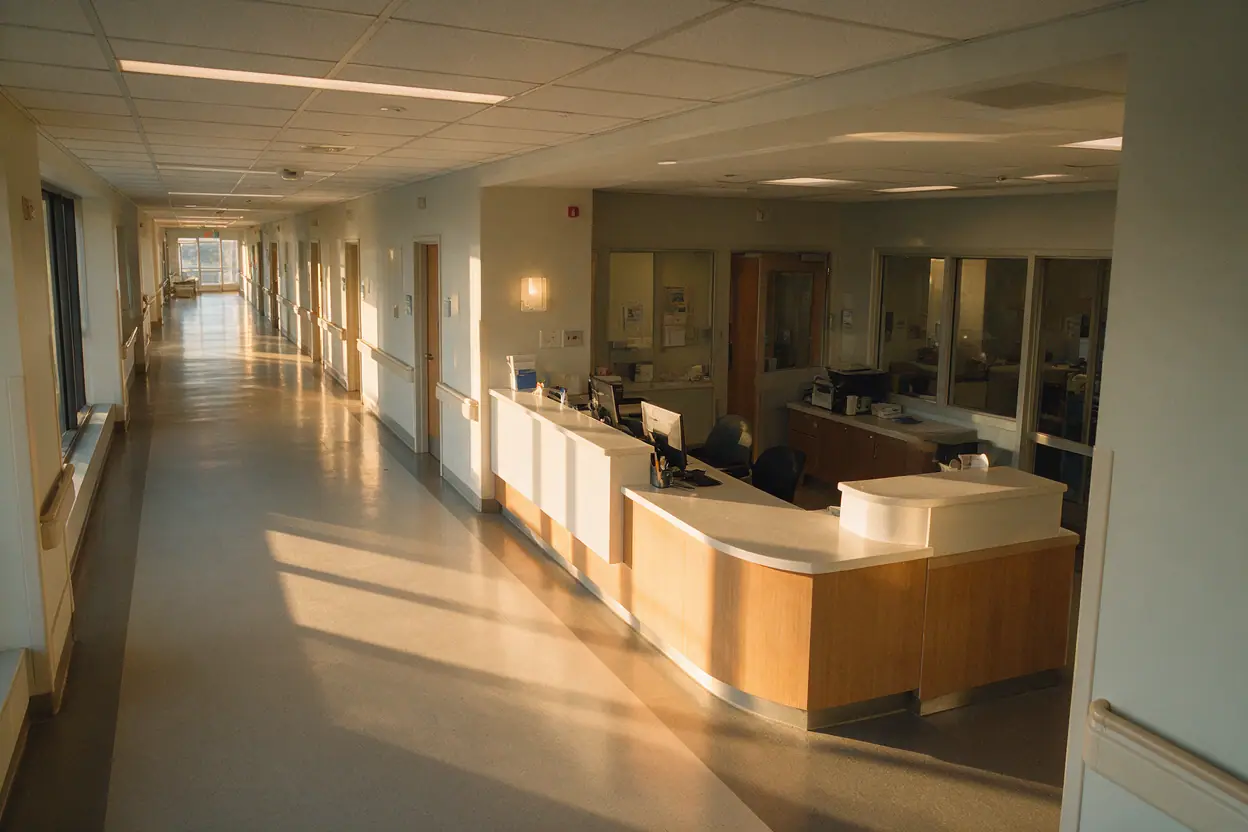
In inpatient or residential rehab, you live at the facility for the whole course of treatment. A usual day blends group counseling, private sessions, medication management when needed, along with meals and rest. Medical staff are there in person. That is important, since alcohol withdrawal can turn dangerous, and oversight is the very reason this level of care exists. Virginia inpatient alcohol rehab programs differ in size, staffing and how long a stay runs, so ask what an ordinary day looks like before choosing. Some are short stabilization stays; others run for several weeks.
You will also hear about detox. Medical detox is a separate level: 50 facilities in Virginia offer it, and many residential programs coordinate with it or require it first. If you drink heavily every day, then a clinician may recommend detox before residential care so withdrawal is managed with medical support. That decision belongs with a medical professional, and no one should taper at home alone. Our helpline advisors can explain the order of steps, but they do not diagnose or give dosing advice.

Virginia facilities at this level
Virginia lists 247 facilities for substance use treatment, and 44 are inpatient or residential. Of those 44, 36 accept Medicaid and 39 accept private insurance. Just 9 of these Virginia rehab centers take Medicare and 6 offer sliding fees, so the payment options narrow quickly. Two offer services in Spanish, 26 provide telehealth in some form, and 37 provide dual diagnosis care. The counts come from SAMHSA FindTreatment.gov and were current in November 2026. No individual facility is named here; the point is to show what exists before you make a call.
What is open depends on where you live. Virginia Beach and the Hampton Roads area have several rehab centers in Virginia that accept Medicaid, but call to confirm a bed rather than assuming one. If Virginia Medicaid is your coverage, ask how the state's expansion affects you, because eligibility rules still determine what gets paid. If you are paying through private insurance, the federal parity law covers mental health and substance use benefits, and that can change your share of the bill. The helpline will go through these questions with you at no charge.
- take Medicaid
- 36
- accept commercial insurance
- 39
- take Medicare
- 9
- provide a sliding scale fee
- 6
| Location | Town | Offers | Takes |
|---|---|---|---|
| National Capital Treatment and Recover | Alexandria | Residential | Medicaid, Insurance |
| Twin Branch Wellness and Recovery | Lancaster | Residential, PHP, IOP | Medicaid, Insurance |
| National Capital Trt and Recovery | Arlington | Detox, Residential | Medicaid, Insurance |
| National Capital Treatment and Recover | Arlington | Residential | Medicaid, Insurance |
| National Capital Trt and Recovery | Arlington | Detox, Residential | Medicaid, Insurance |
| National Capital Treatment/Recovery | Arlington | Residential | Medicaid, Insurance |
| The Womens Home Inc | Arlington | Residential | — |
| National Capital Trt and Recovery | Arlington | Residential | Medicaid, Insurance |
| Sobrius at Bassett | Bassett | Residential, PHP, Outpatient | Medicaid, Insurance |
| Mount Regis Center | Salem | Detox, Residential, PHP, IOP | Medicaid, Insurance |

What inpatient alcohol rehab admission
First call and screening
A short phone assessment covers your drinking history, prior treatment, health conditions, and payment. The advisor explains what the facility will ask for and what to gather, such as insurance cards and a photo ID.
Detox decision
A clinician decides whether medical detox should come first. With 50 detox facilities in Virginia, this step is usually near where you live. If you drink heavily, do not stop on your own; withdrawal can be dangerous and needs a clinician watching over it.
Admission and the daily schedule
You move in, meet your counselor, and get a treatment plan. Days typically include group therapy, individual sessions, medication review, and meals. Visitation and phone rules vary, so ask before you pack, since most programs limit outside contact early.
Discharge planning
Before you leave, staff help arrange follow-up: intensive outpatient, outpatient rehab, or sober living. Virginia lists 100 intensive outpatient programs and 211 outpatient programs, so continuing care is often close to home. Ask for the plan in writing.
Paying for inpatient alcohol rehab
Among the 44 listed inpatient facilities, Medicaid is the route most people take, since 36 accept it, while private insurance is taken at 39. Medicare is taken at just 9, and 6 have sliding fees, so if Medicare is your coverage or you have none, ask early instead of after admission. When a facility falls outside your plan's network, your out-of-pocket cost may rise steeply, so ask for an estimate in writing. Our helpline costs nothing, keeps what you say private, and commits you to nothing; advisors there work with licensed providers and can flag which coverage questions to ask. They cannot promise a bed or that insurance will pay. The state Medicaid program is the authority that confirms who qualifies.
Who inpatient alcohol rehab Virginia
- People who have tried outpatient care and keep returning to heavy drinking without a structured setting around them.
- People whose withdrawal symptoms are likely to be serious, where 24-hour medical supervision matters more than flexibility.
- People who need to step away from a home or work environment that makes drinking hard to stop.
- People with mental health conditions that occur alongside addiction; 37 of the 44 listed facilities offer dual diagnosis services.
Need answers
How many inpatient alcohol rehab facilities are in Virginia?
Across Virginia there are 247 substance use treatment facilities, and 44 are listed as inpatient or residential. Of that 44, 36 accept Medicaid and 39 accept private insurance. These counts come from SAMHSA FindTreatment.gov listings dated November 2026. Figures change as programs open or close, so confirm current availability on the phone.
Does Virginia Medicaid cover inpatient alcohol rehab?
Medicaid is accepted at 36 of the 44 listed inpatient facilities. Virginia adopted Medicaid expansion, so more adults may be eligible here than in states that declined it. Residential stays still carry coverage rules and prior authorization. Confirm your eligibility with the state Medicaid program first, then ask the facility about its network status before you go.
What is a residential rehabilitation program?
It is treatment where you live at the facility, usually with 24-hour staffing. In Virginia, 44 facilities are listed as inpatient or residential. Days include group and individual counseling, medication management, and meals. Length of stay varies. Residential care differs from outpatient rehab, which 211 Virginia facilities offer, because you sleep on site.
Is detox required before inpatient alcohol rehab?
It is frequently recommended, though not always required. Virginia lists 50 medical detox facilities. For someone who drinks heavily, withdrawal can be dangerous, so medical staff should supervise the process. Whether detox comes first is a decision for a clinician. Please do not try to stop abruptly on your own without medical guidance. Our helpline can explain how detox and residential care fit together.
Does the VA have an inpatient rehab facility?
VA medical centers may offer addiction treatment, but this guide does not list them. The 44 inpatient facilities here come from SAMHSA FindTreatment.gov and include programs that accept Medicare at only 9 sites. If you are a veteran, ask about VA benefits separately. Confirm eligibility and referral steps with the VA before assuming a bed is available.
What if I have no insurance?
Six of the 44 inpatient facilities offer sliding-fee scales, and 36 accept Medicaid, so coverage may be possible even without private insurance. Virginia expanded Medicaid, which may widen eligibility. Call the free helpline to review options; advisors work with licensed providers and cannot promise admission. Have income information ready to check sliding-fee eligibility.
Talk through inpatient alcohol rehab
Trained advisors connected to state licensed providers reply the helpline 24/7. Calls are free, confidential, and carry no obligation. They can explain the difference between inpatient and outpatient care, help you check insurance or Medicaid, and describe what admission involves. They do not diagnose and cannot guarantee a bed or coverage. If you are unsure whether residential care fits, start with a conversation.