Dominion Hospital Falls Church
This guide explains Dominion Hospital Falls Church and its treatment options. The center is one of 247 Virginia facilities listed on SAMHSA FindTreatment.gov. A free helpline helps you compare programs before you call.
- Joint Commission
- Co-Occurring Mental Health
- Outpatient
- 30 days
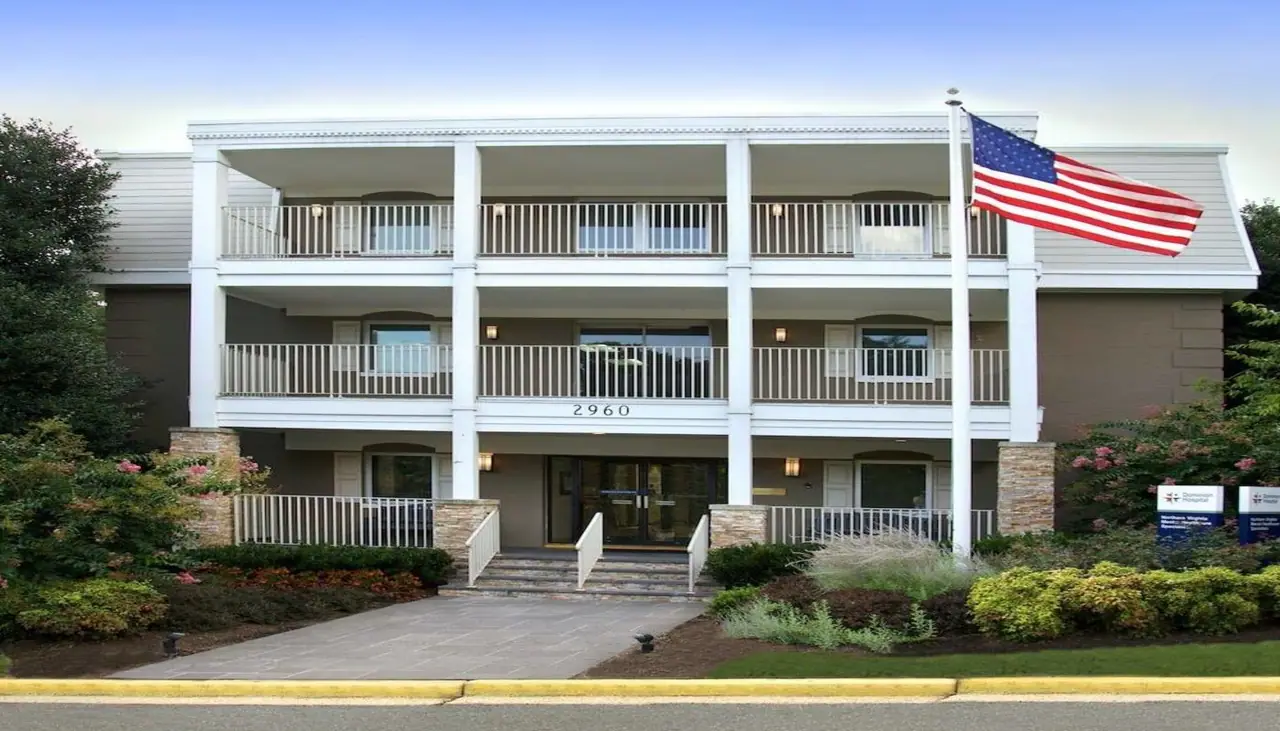
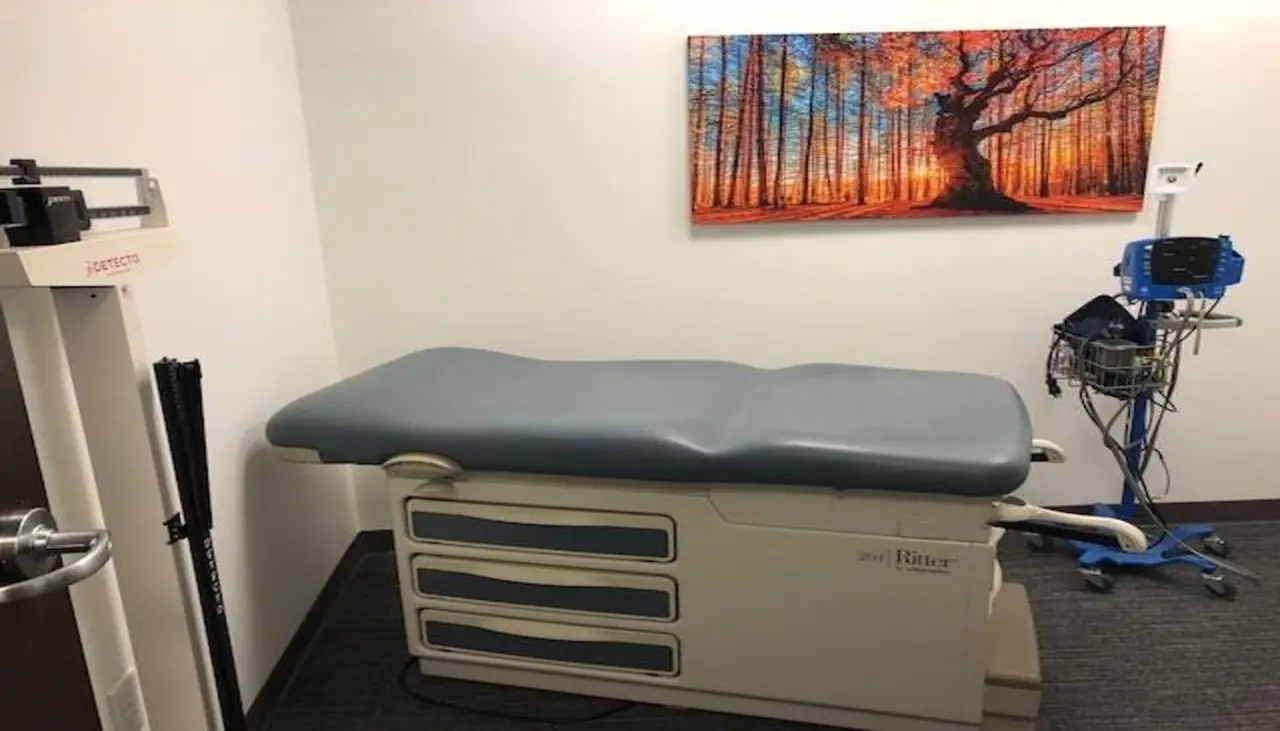
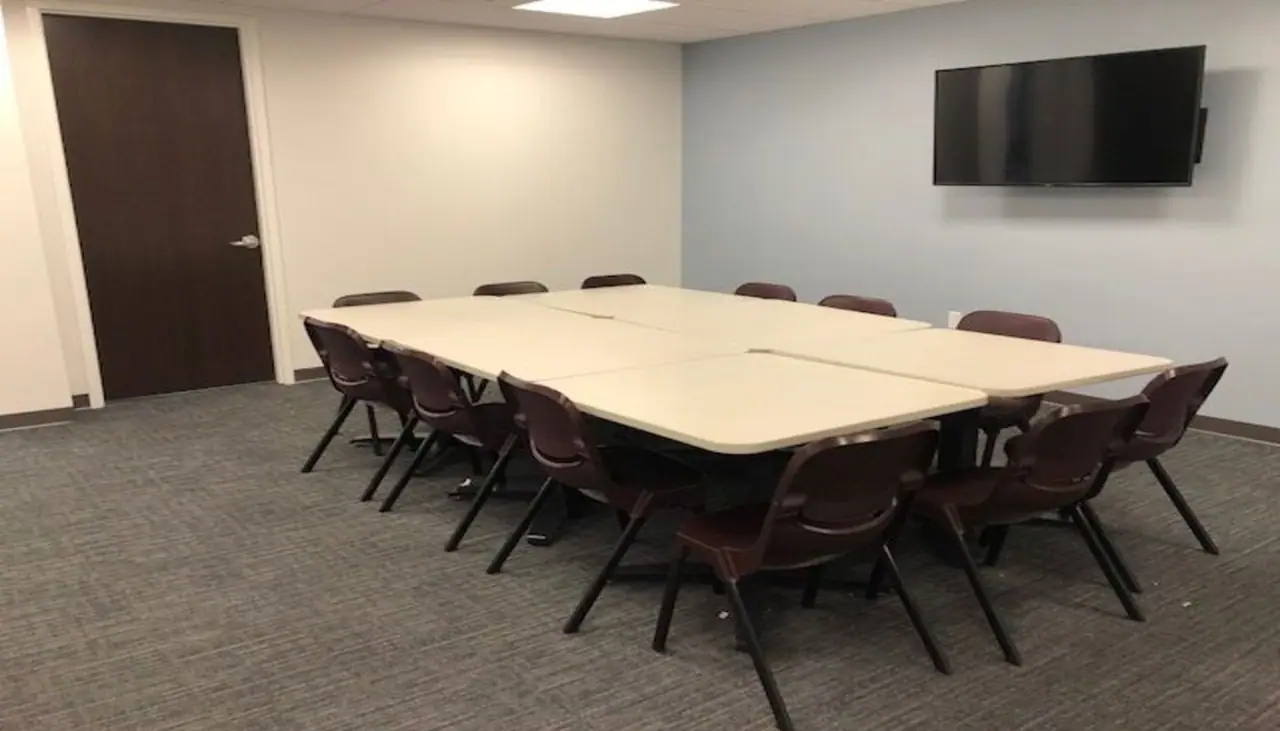
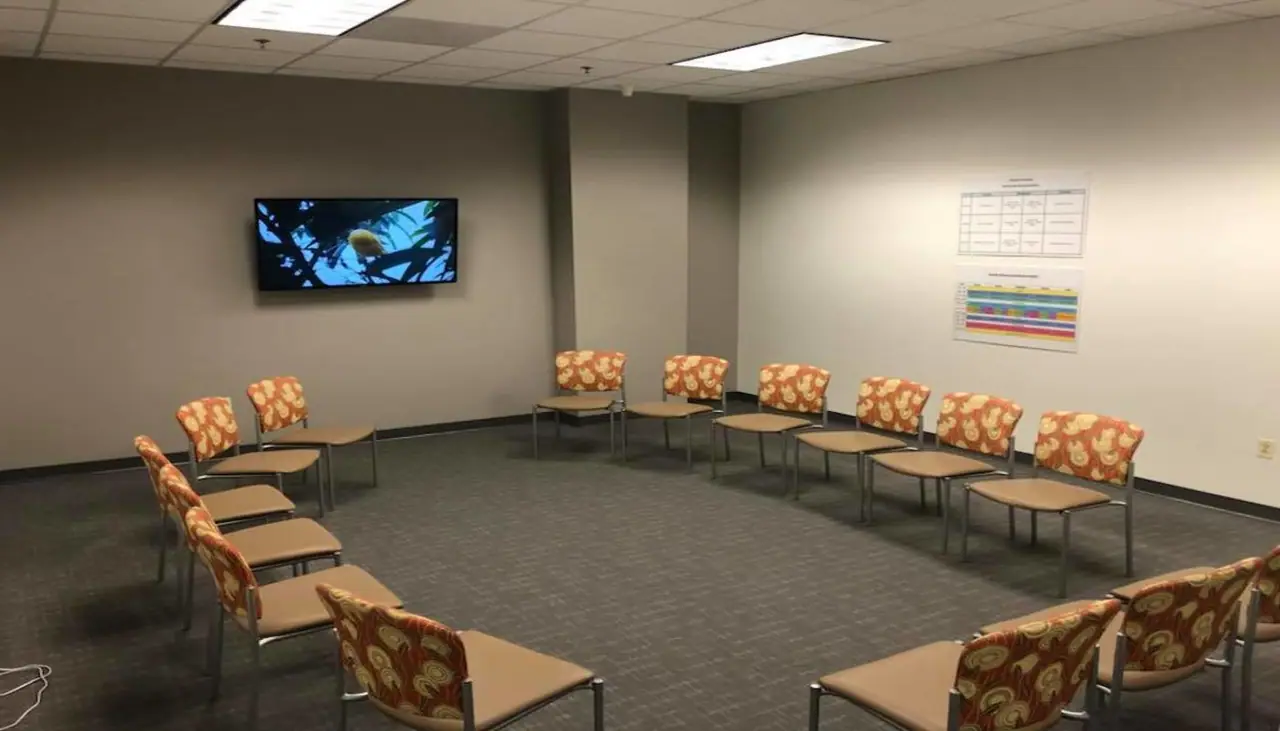
Dominion Hospital Falls Church sits a little below Washington, D.C. and serves young children starting at age 5, teenagers, and grown-ups within a 116-bed facility. Mental health care is its central work, and it also helps individuals whose drinking or drug use shows up together with depression, anxiety, or trauma. When heavy drinking overlaps with a psychiatric condition, one program handling both concerns side by side can often suit someone better than splitting them apart.
This Virginia hospital grounds its care in the idea that change is possible and that relatives and social networks play a real part. Everyone is addressed with the pronouns they prefer, and plans are shaped around what each person needs. Rather than holding families at arm's length, the team includes them in the work. The hospital's methods are informed by trauma and rest on evidence-based practice.
Families often arrive here when a psychiatric condition and heavy drinking are intertwined and a single-focus program would miss half the picture. The hospital's dual-diagnosis track is designed for exactly that overlap. Someone calling about alcohol use alone might be steered elsewhere, but when mental health is part of the story, this Falls Church campus is one option to consider.
Programs at this Falls Church center
At Dominion Hospital Falls Church, the clinical team builds the therapy mix around what each individual needs. Options range from cognitive behavioral therapy and dialectical behavior therapy to animal-assisted sessions, expressive arts, and music therapy. Nutrition counseling, psychoeducation, medication management, and exposure therapy round out the list. When a case calls for it, electroconvulsive therapy is offered as well. Animal-assisted sessions take place on weekends, and staff report that the arts and music offerings are especially popular.
Adolescent and adult tracks include day treatment and intensive outpatient programs in Virginia. Adults can enter standard day treatment or standard IOP, women-specific day and IOP tracks, complex trauma day treatment, or eating disorder day and IOP tracks. Teens have their own standard day and IOP options. When a person arrives with both a psychiatric condition and substance use, the dual-diagnosis focus applies, and trauma-focused care uses the TraumaSci approach.
If a clinician recommends residential care, then the hospital's residential track includes daily goal-setting, several groups each day, and scheduled visiting and call times. People descending from a more intensive level of care can use an aftercare app to keep some structure between sessions. Anyone unsure which level fits can ask the intake team directly; a helpline can also help sort the options before that call.
When drinking is severe enough to cause withdrawal, then a clinician should decide whether outpatient care is safe. Alcohol withdrawal can become dangerous quickly, and the same is true for benzodiazepines. A doctor overseeing the process is the difference between a plan that holds and one that puts someone at risk.
- Trauma-Specific Therapy
- Music Therapy
- Nutrition Counseling
- Gender-Specific
- Trauma Informed
- Experiential
- Family Involvement
- Individual Treatment
- Family Therapy
- Expressive Arts
Who the program is made for
- Children age 5 and older who need psychiatric care
- Adolescents facing anxiety, depression, self-harm, or family conflict
- Adults with mood disorders, trauma, or psychosis
- Girls and women with eating disorders including anorexia, bulimia, ARFID, and OSFED
- People whose alcohol or drug use occurs alongside another psychiatric condition
- Pregnant women and those who gave birth within the past year, through women-specific day treatment
How long and where you stay
Most stays last roughly 30 days, though how long depends on the level of care and clinical need. Rooms come with air conditioning, a desk, and a sofa or armchair. Internet access is available, and a personal fitness trainer is on hand. Pet therapy happens on weekends, and expressive arts and music sessions are part of the weekly rhythm. Care here is delivered in English at this Falls Church location.
Paying for treatment at this center
The hospital accepts insurance, and coverage needs confirming by phone before anyone decides on admission. Costs differ by level of care and length of stay, so request an estimate in writing. Virginia Medicaid may apply to some services; the intake team can say which ones and what documentation is needed. The helpline itself costs nothing and never bills you. To check what a plan covers, call the number on your insurance card and the hospital's intake line with the same questions ready.
Key questions for this center
- Which track would fit someone whose drinking is the main concern and who also has a psychiatric diagnosis?
- Is the recommended level of care residential, day treatment, or intensive outpatient, and why?
- How does the team handle alcohol withdrawal, and what screenings happen first?
- Which services here does my insurance cover, and what out-of-pocket amount would I owe?
- Can family members join sessions, and how are visits and calls scheduled?

Other options for comparison
-

MAT Recovery Centers Richmond
Richmond, VA28+ days
- Co-Occurring Mental Health
- Outpatient
- Detox
MAT recovery centers Richmond is an outpatient program in Virginia's capital.
See details -
White House Health Systems
Hampton, VA5 days
- Residential Rehab
- Outpatient
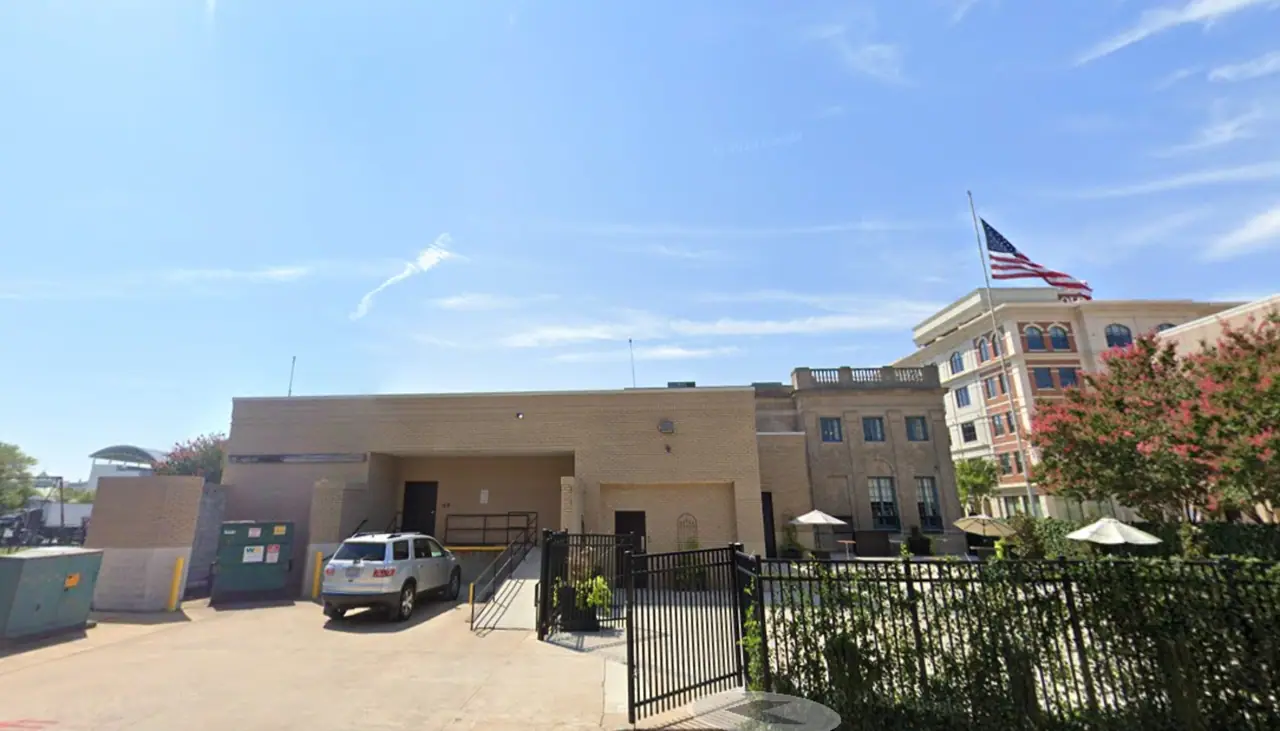
White House Health Systems Hampton runs a residential and outpatient program at 2 Eaton St.
See details -
Prestera Health Services Pinecrest
West, VA30 days
- Residential Rehab
- Co-Occurring Mental Health
- Outpatient
Prestera Health Services Pinecrest West offers residential and outpatient care in West, Virginia.
See details -

Embark at Tysons Corner
Vienna, VA30 days
- Joint Commission
- Co-Occurring Mental Health
- Outpatient
Serving teenagers, Embark at Tysons Corner Vienna is an outpatient program.
See details -
Callahan Counseling Services
West, VA30 days
- Outpatient
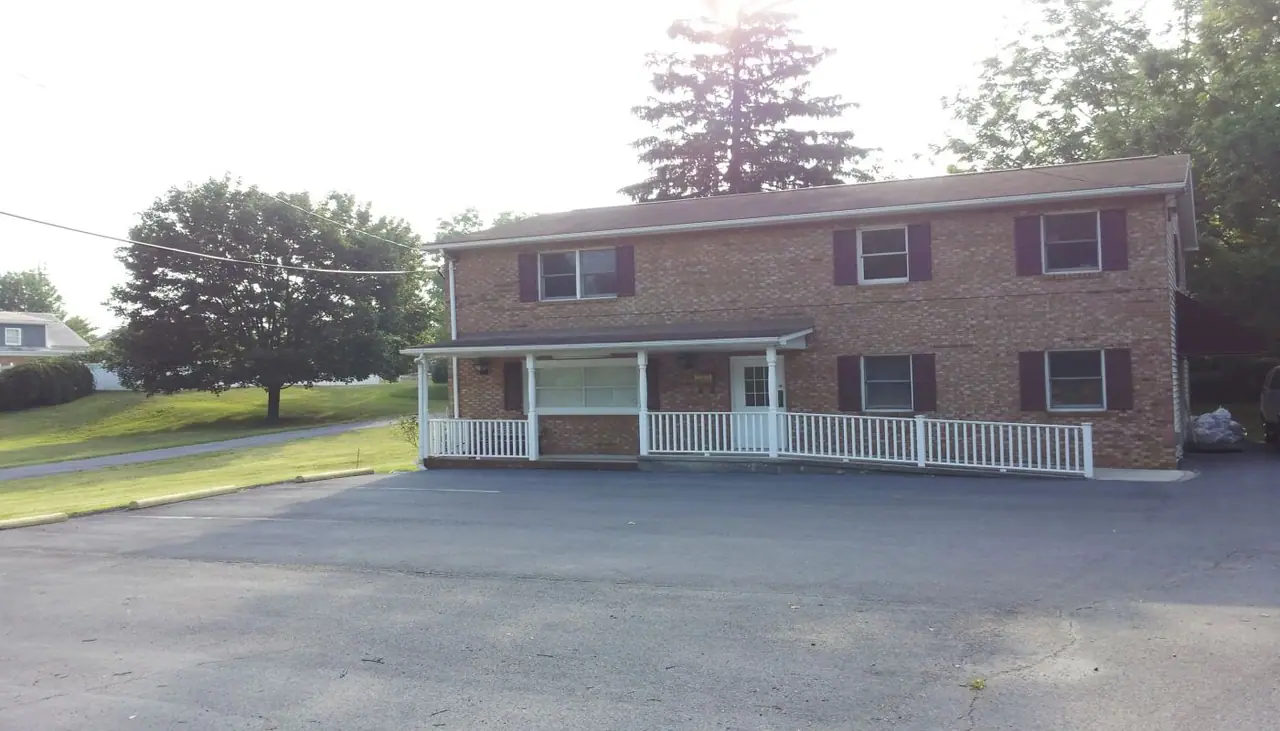
Callahan Counseling Services West offers outpatient counseling for substance use and mental health concerns.
See details -

Aware Recovery Care Virginia
Glen Allen, VA30 days
- Joint Commission
- Co-Occurring Mental Health
Aware Recovery Care Virginia Glen Allen treats adults 18 and older through in-home addiction care.
See details

Need answers
What is Dominion Hospital Falls Church known for?
This is a 116-bed psychiatric hospital on SAMHSA FindTreatment.gov, serving children starting at age 5 through adults. Its stated focus includes eating disorders and substance use appearing alongside another psychiatric issue, along with mental health conditions such as trauma, anxiety, bipolar disorder, and depression. Levels of care include residential, day treatment, and intensive outpatient.
Does Dominion Hospital Falls Church accept Virginia Medicaid?
Medicaid coverage varies by plan and by the service requested, so the answer belongs in a phone call rather than a guess. Some services may be covered and others not. Ask the intake team which tracks take Virginia Medicaid and what documentation they need. The helpline costs nothing and can help you build a list of questions before you dial.
What does a residential rehabilitation program look like here?
Residential care at this hospital runs roughly 30 days and includes daily goal-setting, several group sessions each day, and a mix of therapies chosen for the person. Calls and visitors happen at set times. Pet therapy is offered on weekends, and expressive arts and music sessions are staples. A clinician should confirm whether residential or a lower level of care fits your situation.
How long does treatment usually last?
The hospital lists a usual program length of roughly 30 days, though that figure stretches or shortens with clinical need and the level of care. If you plan around insurance, then confirm authorization dates with the hospital before admission so a stay does not end early for administrative reasons. Asking about length is one of the most useful calls you can make.
Is alcohol detox available at Dominion Hospital Falls Church?
The center offers outpatient care and mental health conditions that occur alongside addiction, but the listed services do not specify a standalone detox unit. Alcohol withdrawal can be medically dangerous, so a clinician should assess whether detox is needed and where it should happen. Call the hospital's intake line to ask how they handle withdrawal and what they recommend for your situation.
Talk with someone first in Falls Church
Trained advisors who answer the helpline can explain what this center provides and how to contact its intake staff. Calls are free, private, and do not obligate you. Advisors do not diagnose, and no one can guarantee admission or coverage. If you are not sure whether residential or outpatient care fits, that is a good thing to raise in the conversation. You can also use the line to get your questions ready about withdrawal safety, insurance, and program length before contacting Dominion Hospital Falls Church on your own.